Cannabis 101: The Basics of Cannabis
Welcome to Cannabis 101 with the Baked Beavers. Whether you're completely new to cannabis, curious about how it works, or just want a clear refresher, this page is for you. We've made everything simple and easy to follow.
Cannabis is an ancient plant that people have used for thousands of years for medicine, relaxation, and more. Today, science helps us understand why it affects the body the way it does. Let's break it down step by step.
The Cannabis Plant: Where It All Starts
Cannabis is a flowering plant that grows in many parts of the world. Over time, different climates created different types:
Tall, skinny plants (historically called sativa)
Short, bushy plants (historically called indica)
A wilder, smaller type (ruderalis)
Modern growing and breeding have mixed these together, creating hybrids. The words "sativa" and "indica" on product labels are mostly marketing—they don't reliably tell you how a strain will make you feel. What matters more is the plant's actual chemistry.
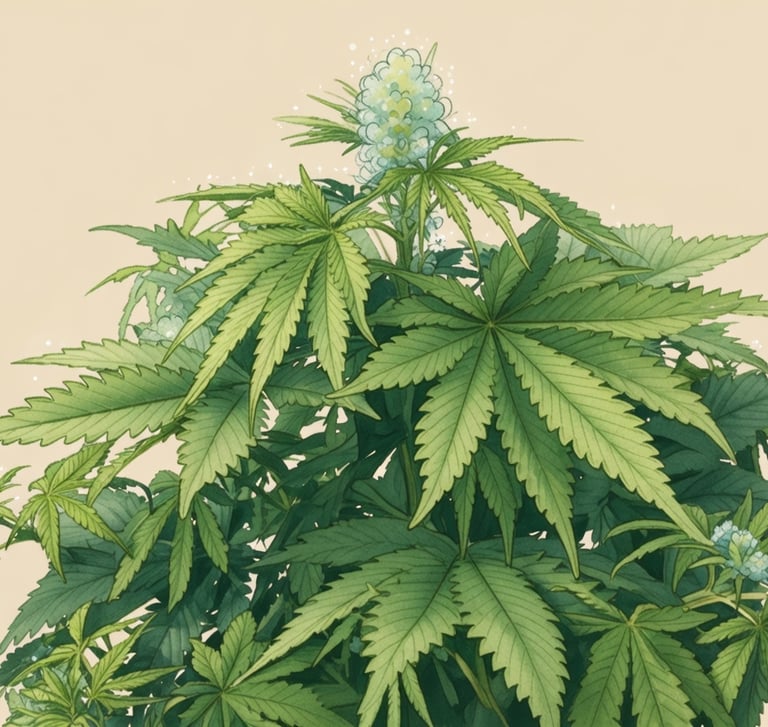
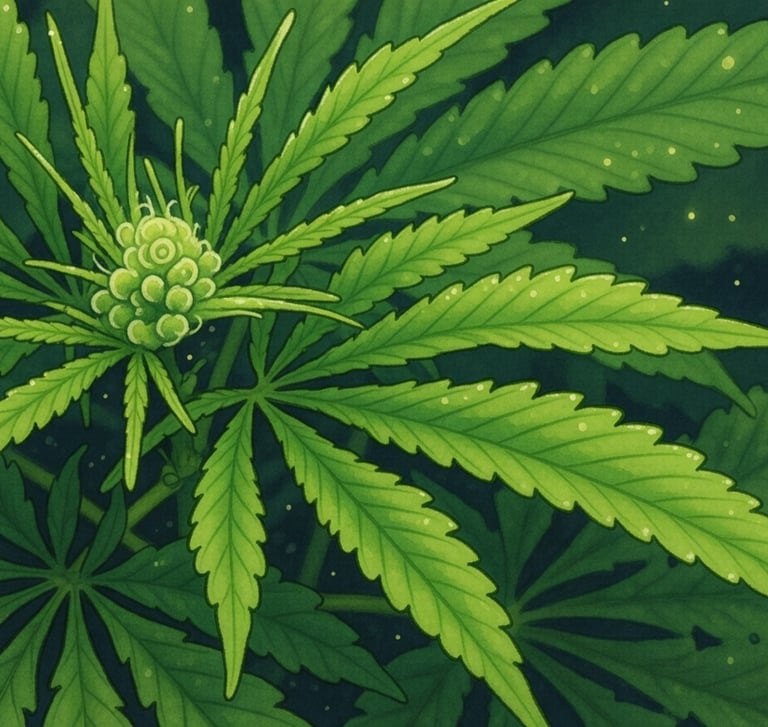
The most important part of the plant? Trichomes—tiny, sparkly glands on the flowers (buds) that hold the powerful compounds. These are what give cannabis its effects, smells, and flavors.
Key Compounds in Cannabis
Cannabis has over 450 different chemicals! The main ones are:
Cannabinoids
These are the compounds that interact with your body:
THC (Delta-9-THC): The one that creates the "high" or euphoric feeling. It can also help with pain, nausea, and appetite.
CBD (Cannabidiol): Does not make you feel high. Often used for calm, reducing anxiety, and seizure control.
There are over 100 other cannabinoids too, but THC and CBD are usually the most abundant
Terpenes
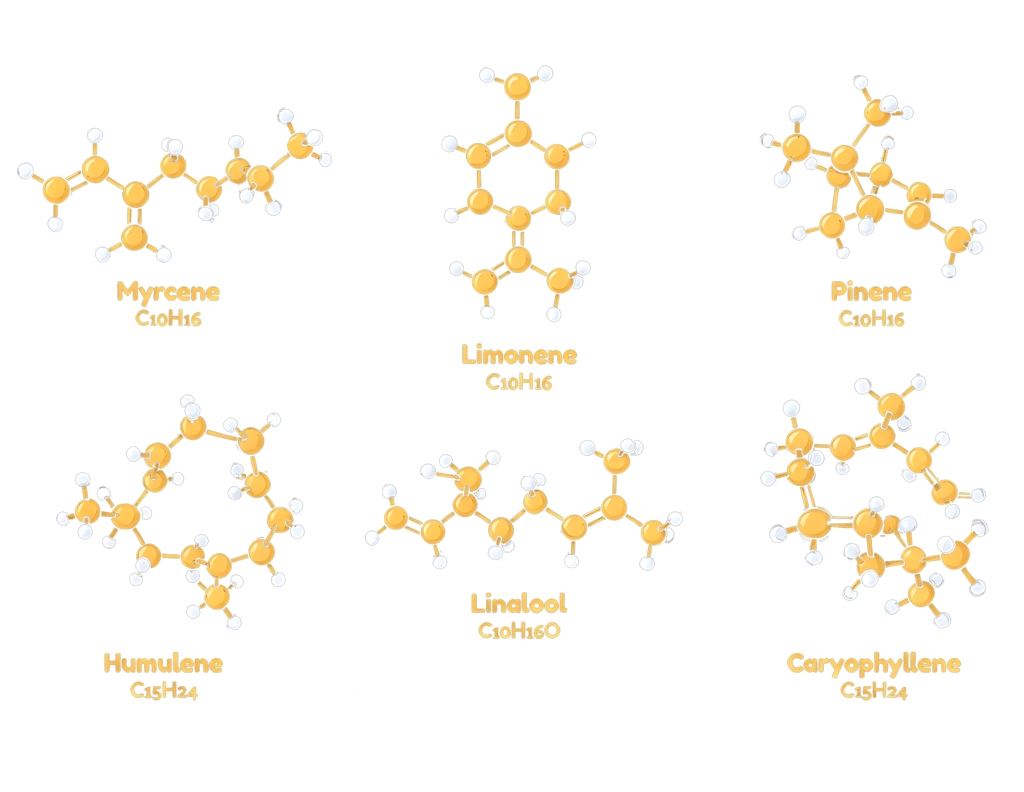
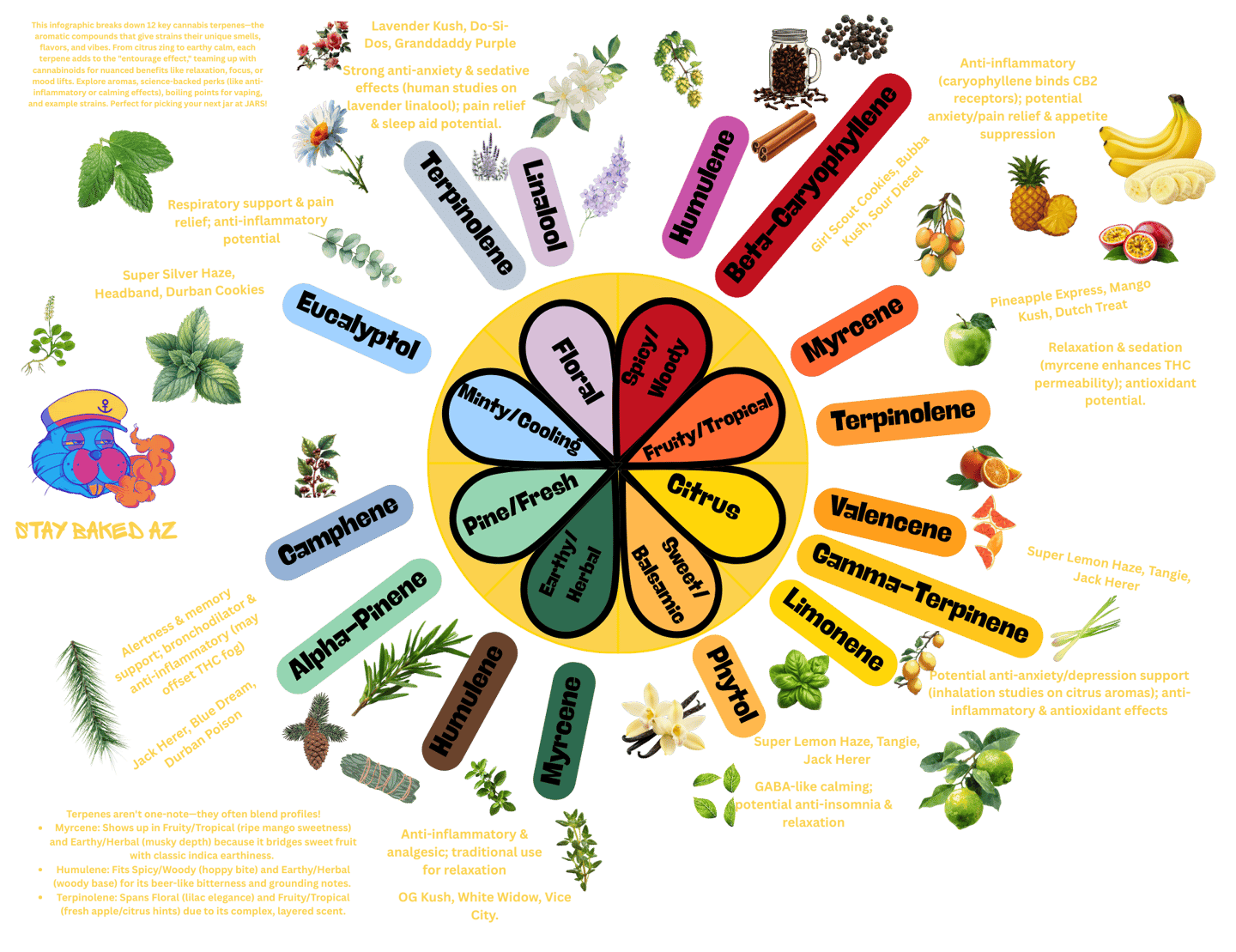
These give cannabis its smells and flavors—like citrus, pine, or lavender. They also affect how you feel (relaxed, energized, focused). Examples: limonene (citrus), myrcene (earthy), linalool (floral).
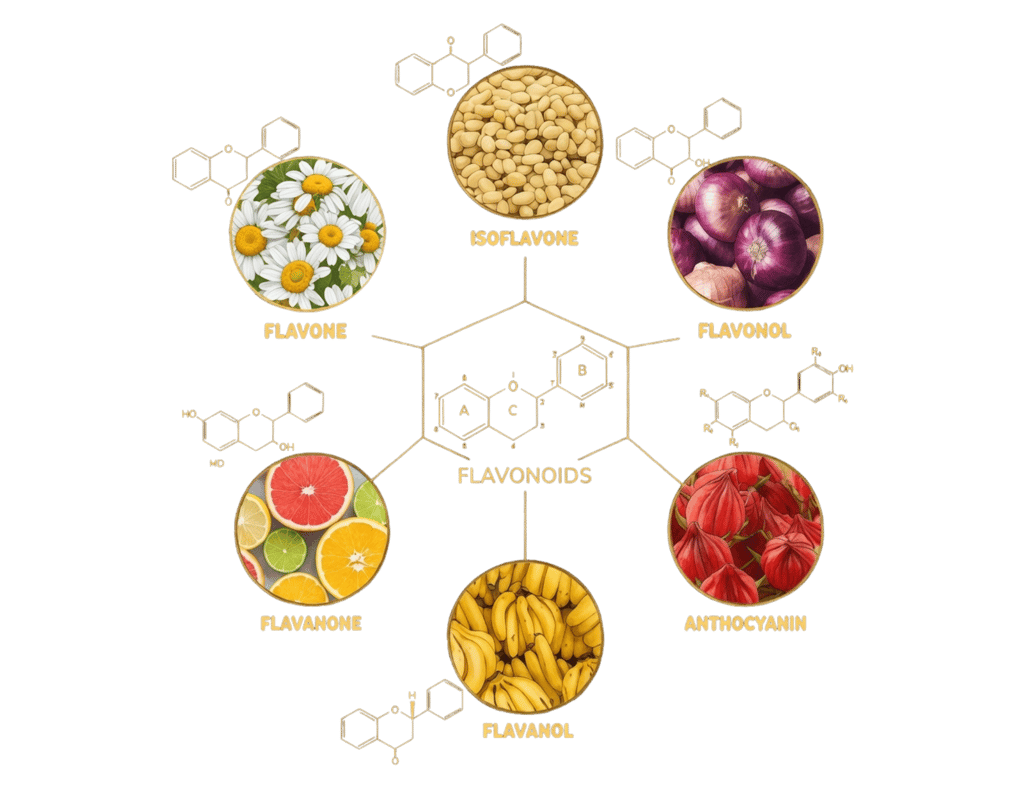
Flavonoids
These add color and extra benefits, like reducing inflammation.
All these compounds work together—this is called the entourage effect. Whole-plant cannabis (with all its parts) often feels more balanced than products with just one compound.
How Cannabis Works in Your Body: The Endocannabinoid System (ECS)
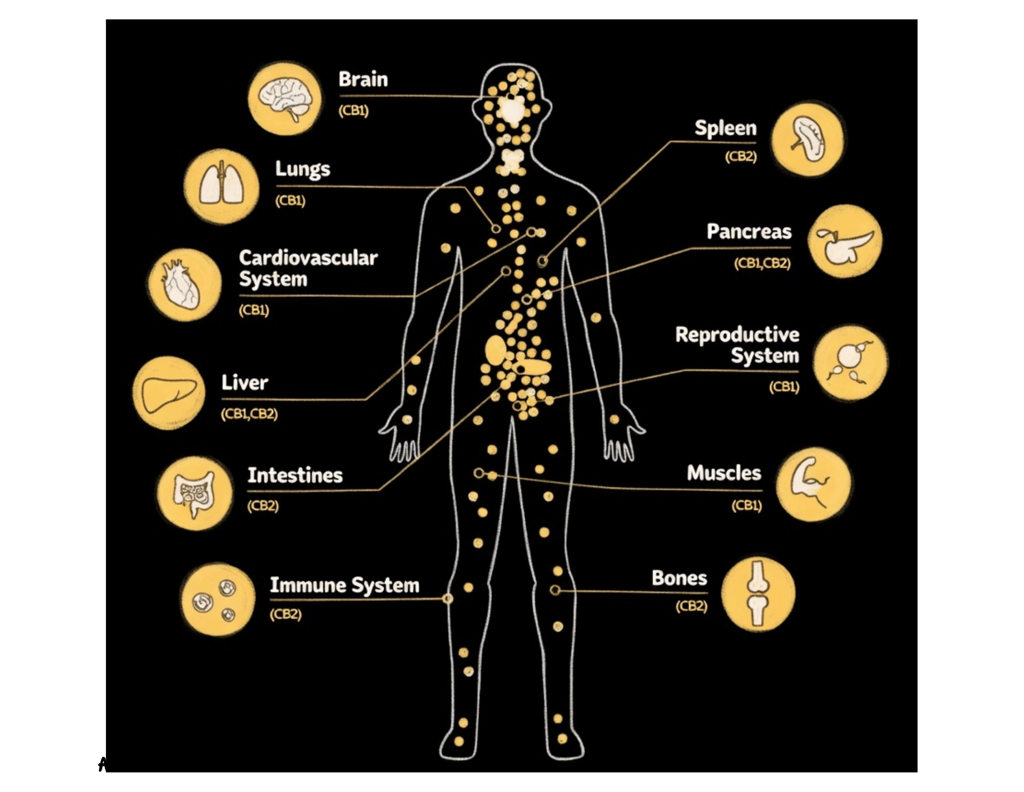
Your body has a natural system called the Endocannabinoid System (ECS). It's like a control panel that helps keep things balanced—mood, pain, sleep, appetite, immune response, and more.
The ECS uses its own chemicals (endocannabinoids) and receptors (CB1 and CB2). Cannabis compounds (phytocannabinoids) fit into this system:
THC mainly activates CB1 receptors in the brain (causing the high and other effects).
CBD works more indirectly and can soften THC's effects.
This is why cannabis can influence so many parts of health—but effects vary from person to person.
Types of Cannabis Products: What to Look For
Instead of trusting "sativa" or "indica" labels, check the actual THC and CBD amounts (always ask for lab tests!):
Type 1: High THC, low CBD → Stronger psychoactive effects.
Type 2: Balanced THC and CBD → Often more gentle.
Type 3: High CBD, low/no THC → Non-intoxicating, great for wellness.
Real effects come from the mix of cannabinoids, terpenes, and your own body chemistry—not the strain name.
Why Lab Testing Matters
Not all products are labeled accurately. A good dispensary (like us at JARS) provides Certificates of Analysis (COAs) showing exactly what's inside—no contaminants, correct THC/CBD levels, and terpene profiles. Always ask to see them!
Using Cannabis Safely
Start low and go slow—especially with THC.
Effects depend on how you use it (smoking/vaping = fast; edibles = slower but longer-lasting).
Talk to a doctor or our knowledgeable budtenders if using for health reasons.
Cannabis isn't one-size-fits-all—everyone responds differently.
Cannabis can be a helpful tool for many people when used thoughtfully. We're here to answer questions, recommend products, and help you find what feels right.
Ready to explore? Stop by JARS Cannabis on Tanque Verde Road in East Tucson. Our team loves sharing knowledge and helping you discover the right fit.
Intro to Terpenes
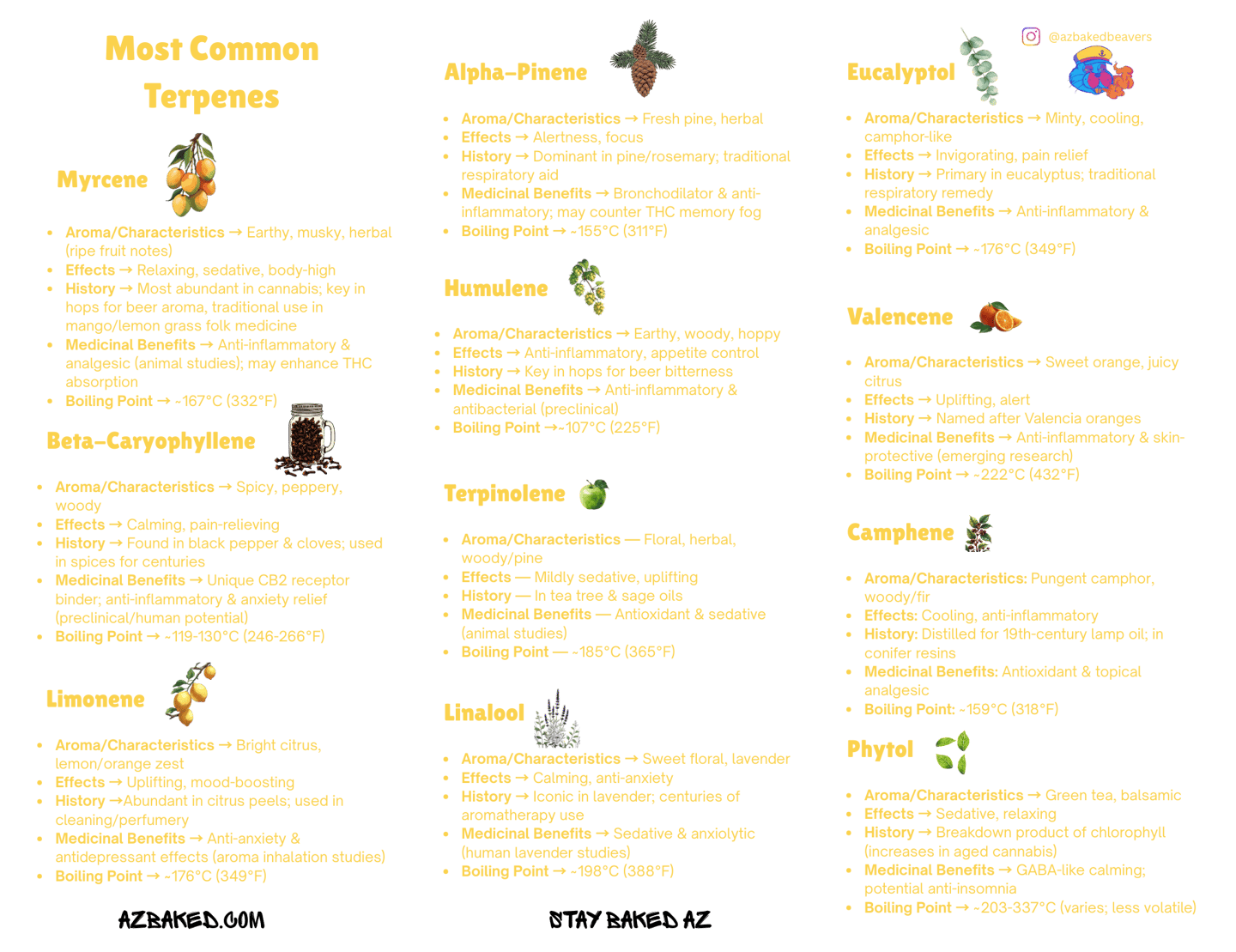
If you've ever opened a jar of flower and caught a whiff of fresh lemon, earthy pine, spicy pepper, or sweet lavender, you've met terpenes—the amazing compounds that give cannabis its incredible smells and flavors.
What Are Terpenes?
Terpenes are natural oils found in many plants (not just cannabis!). In the cannabis plant, they're produced in the sticky trichomes (those sparkly glands on the buds). There are over 200 known terpenes in cannabis, each with its own unique scent and potential effects.
Why Do Terpenes Matter?
Smell & Taste: They're the reason strains smell fruity, herbal, skunky, or fresh—they make every jar an adventure for your nose!
Effects: Terpenes can influence how you feel. Some are relaxing, others uplifting or focusing. For example:
Limonene: Bright citrus vibe, often mood-boosting.
Myrcene: Earthy and chill, great for unwinding.
Pinene: Fresh pine scent, may help with alertness.
The Entourage Effect: Terpenes team up with cannabinoids (like THC and CBD) to create balanced, nuanced experiences. This synergy can enhance benefits and soften any intense effects.
Terpenes aren't psychoactive on their own, but they shape your overall session—making cannabis feel personalized to your needs, whether that's relaxation, creativity, or relief.
Check out our full Terpenes Blog Series (like Part 1 and Part 2) or our Terpene Wheel for deeper dives into the most common ones and the strains that shine with them.
Ready to smell the difference? Swing by JARS Cannabis on Tanque Verde Road in East Tucson. Our team can help you find terpene-rich strains that match your vibe.
Terpenes aren't psychoactive on their own, but they shape your overall session—making cannabis feel personalized to your needs, whether that's relaxation, creativity, or relief.
Check out our full Terpenes Blog Series (like Part 1 and Part 2) or our Terpene Wheel for deeper dives into the most common ones and the strains that shine with them.
Ready to smell the difference? Swing by JARS Cannabis on Tanque Verde Road in East Tucson. Our team can help you find terpene-rich strains that match your vibe.
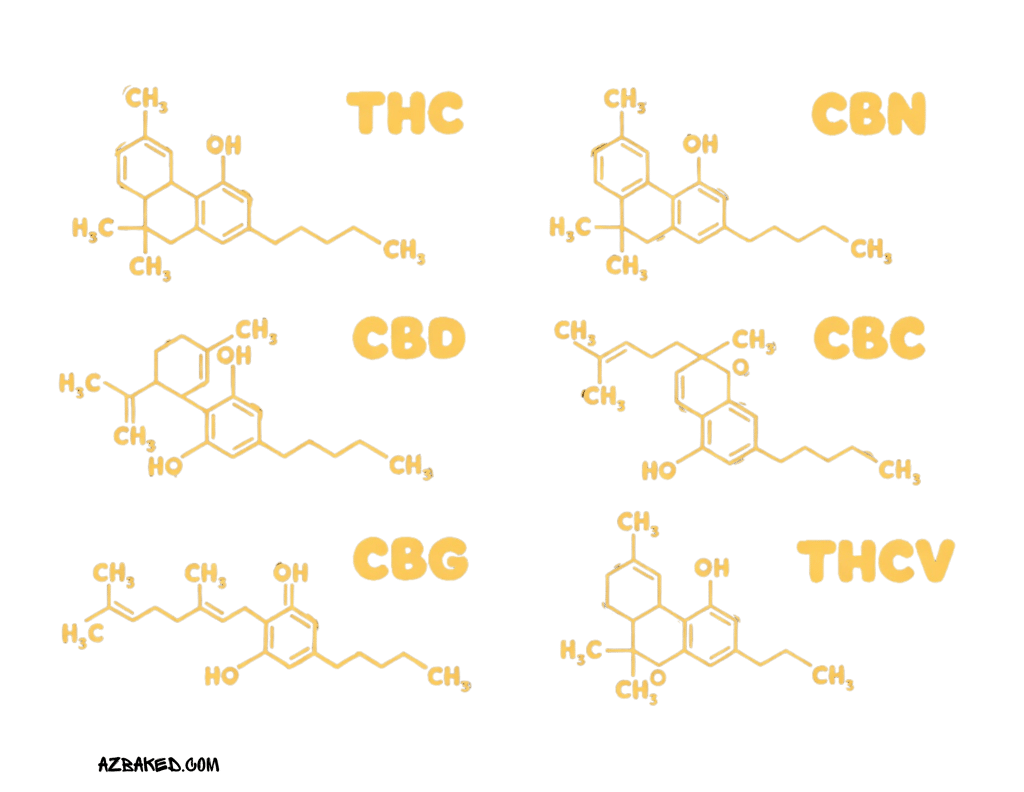
Cannabinoids are the heavy hitters that drive most of cannabis's effects. These natural compounds interact with your body's endocannabinoid system (ECS) to help regulate things like mood, pain, sleep, appetite, and more.
Cannabis has over 100 cannabinoids, but a handful stand out. They work best together in full-spectrum products (which keep the plant's natural mix of cannabinoids, terpenes, and flavonoids) for the entourage effect—a team effort that often feels more balanced and effective than single compounds alone.
Here's a simple breakdown of the most common ones you'll see at the dispensary:
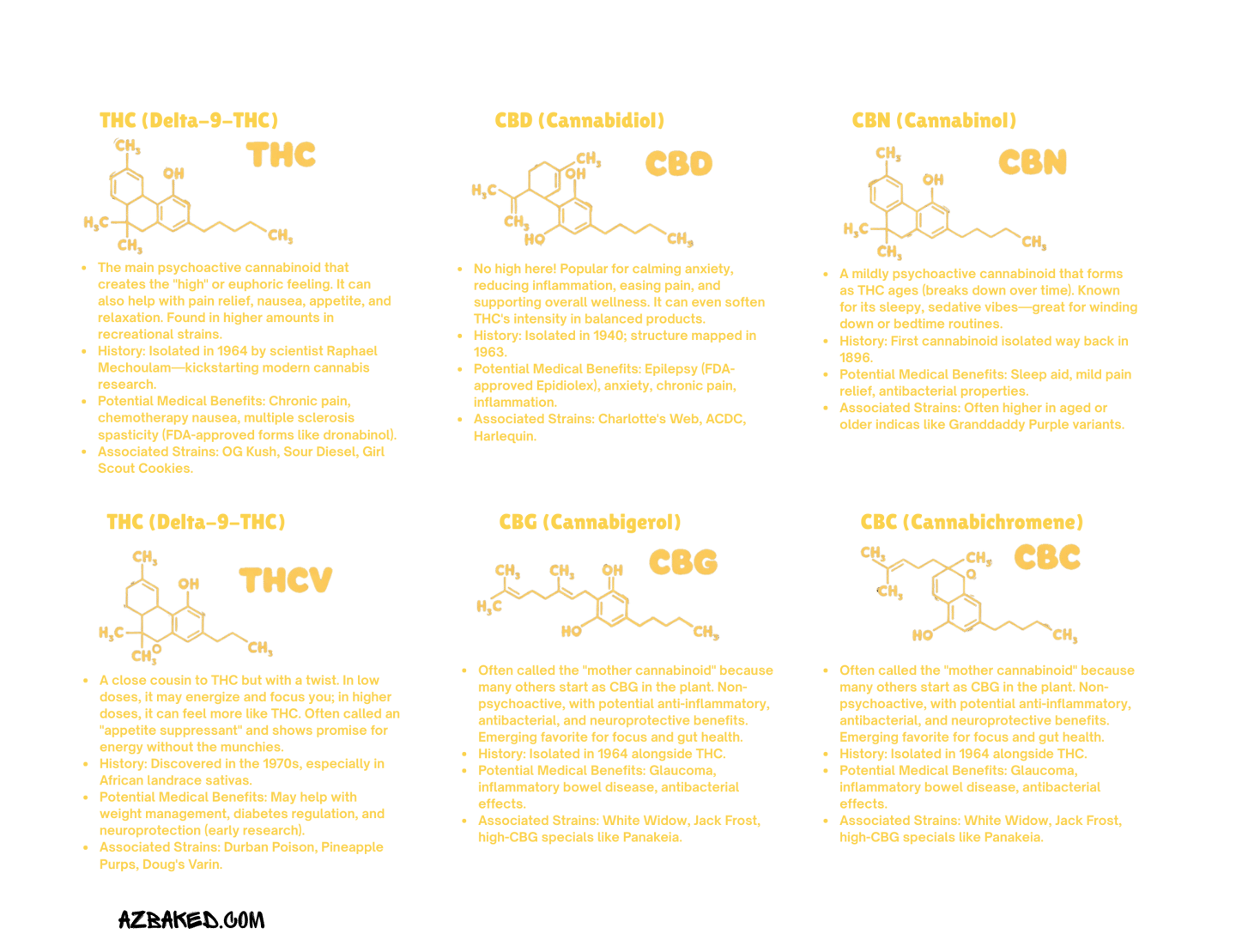
THC (Delta-9-THC)
The star of the show—the main psychoactive cannabinoid that creates the "high" or euphoric feeling. It can also help with pain relief, nausea, appetite, and relaxation. Found in higher amounts in recreational strains.
THCV (Tetrahydrocannabivarin)
A close cousin to THC but with a twist. In low doses, it may energize and focus you; in higher doses, it can feel more like THC. Often called an "appetite suppressant" and shows promise for energy without the munchies.
CBD (Cannabidiol)
The non-psychoactive superstar—no high here! Popular for calming anxiety, reducing inflammation, easing pain, and supporting overall wellness. It can even soften THC's intensity in balanced products.
CBN (Cannabinol)
A mildly psychoactive cannabinoid that forms as THC ages (breaks down over time). Known for its sleepy, sedative vibes—great for winding down or bedtime routines.
CBG (Cannabigerol)
Often called the "mother cannabinoid" because many others start as CBG in the plant. Non-psychoactive, with potential anti-inflammatory, antibacterial, and neuroprotective benefits. Emerging favorite for focus and gut health.
CBC (Cannabichromene)
Another non-psychoactive one that works well with others. Early research points to mood support, pain relief, and anti-inflammatory effects—without any high.
Full-Spectrum Products & RSO
Full-spectrum means the product keeps a wide range of cannabinoids (like the ones above) plus terpenes and flavonoids from the whole plant. This natural mix enhances the entourage effect for more well-rounded benefits.
RSO (Rick Simpson Oil) is a classic full-spectrum, high-THC concentrate made from the whole plant. It's thick, potent, and often used in small doses for strong effects—popular among those seeking maximum cannabinoid synergy.
Every person's body responds differently, so start low and go slow. Lab-tested products (with clear cannabinoid breakdowns) help you choose wisely.
Curious about how these play out in real strains? Check our menu or ask our team—we'll guide you to full-spectrum options that fit your needs.
Intro to Cannabinoids
The Entourage Effect
Ever wonder why whole-plant cannabis often feels smoother and more balanced than products with just one compound (like pure THC)? That's the entourage effect—a beautiful teamwork between all the parts of the cannabis plant.
What Is the Entourage Effect?
In simple terms: The hundreds of compounds in cannabis—cannabinoids (like THC and CBD), terpenes (the smell and flavor makers), and flavonoids—don't work alone. They team up to enhance each other's strengths and soften any rough edges. It's like a group of friends helping each other out: the total experience is better than any one person going solo.
A Real-Life Example
Imagine a high-THC strain that might feel intense on its own (maybe too energizing or anxiety-provoking for some). Add CBD to calm things down, myrcene for relaxation, and limonene for a mood lift—and suddenly, it's a chill, uplifting vibe without overwhelm. Strains like Blue Dream or full-spectrum edibles often showcase this: the mix creates balanced euphoria, pain relief, and focus that isolated THC just can't match.
The Benefits of the Entourage Effect
Better Balance: Reduces unwanted side effects (like THC paranoia) while boosting positives.
Stronger Relief: Many people find full-plant products more effective for pain, sleep, stress, or inflammation.
Personalized Feel: The natural combo creates nuanced experiences—relaxing one day, creative the next.
Whole-Plant Wellness: Supports your body's endocannabinoid system more naturally, like eating a full meal vs. just one nutrient.
This is why we love full-spectrum products —they keep the entourage intact for that true plant magic.
Want to experience the entourage effect yourself? Stop by JARS Cannabis on Tanque Verde Road in East Tucson. Our team can show you full-spectrum flowers, concentrates, and edibles that let all the compounds shine together.
280E
A U.S. tax code section that historically prevented state-legal cannabis businesses from deducting normal business expenses (like rent or payroll) on federal taxes because cannabis was Schedule I. Rescheduling to Schedule III is expected to ease this burden significantly.
Autoflower
Cannabis plants that automatically switch from vegetative to flowering stage based on age (not light cycle). Fast, compact, and beginner-friendly.
BHO (Butane Hash Oil)
A concentrate made by blasting cannabis with butane solvent to extract cannabinoids and terpenes. Produces shatter, wax, or budder.
Bubble Bags
Mesh bags of varying micron sizes used for ice water hash extraction—separates trichomes for clean bubble hash.
Bubble Hash
Solventless concentrate made by agitating cannabis in ice water to separate trichome heads, then filtering and drying.
Budtender
Our friendly experts behind the counter who help you navigate strains, products, and effects—like a bartender, but for buds.
Cannabinoids
Naturally occurring compounds in cannabis that interact with your body's endocannabinoid system. The big ones: THC (psychoactive) and CBD (non-psychoactive).
CBD (Cannabidiol)
A non-intoxicating cannabinoid known for potential calming, anti-inflammatory, and pain-relieving effects. Great for wellness without the high.
Clone
A genetic copy of a mother plant, cut and rooted for identical growth. Ensures consistent quality.
CO2 Extraction
Method using supercritical CO2 (pressurized carbon dioxide) to pull cannabinoids/terpenes. Clean, solvent-based, often for oils/vapes.
COAs (Certificate of Analysis)
Lab test results that verify a product's cannabinoid profile, terpenes, and safety (no pesticides, heavy metals, or contaminants). We only carry tested products!
Cold Cure
Slow-curing process for rosin at low temps to preserve terpenes and create creamy textures.
Crumble
A dry, crumbly concentrate texture (often from BHO) that's easy to handle for dabbing.
Cure
Post-harvest process of slowly drying and aging buds in controlled conditions to enhance flavor, smoothness, and potency.
Cured Flower
Dried and properly cured cannabis buds (vs. fresh frozen)—used for traditional smoking or cured resin extracts.
Decarboxylation
The process (usually heat) that activates THC and CBD from their raw forms (THCA/CBDA) in the plant. Happens when you smoke, vape, or bake.
Dispensary
A licensed retail store (like JARS) where adults 21+ can legally purchase cannabis products in Arizona.
Diamonds
Large THCA crystals ("diamonds") separated from terp sauce in high-end concentrates.
Distillate
Highly refined, potent cannabis oil stripped of terpenes/flavonoids for pure cannabinoids (often 90%+ THC). Flavorless/neutral unless re-infused.
Dry Sift
Solventless method of rubbing dried cannabis over fine screens to collect kief/trichomes.
Edibles
Cannabis-infused foods/drinks (gummies, chocolates, beverages). Effects take longer to kick in (30–90 minutes) but last longer.
Endocannabinoid System (ECS)
Your body's natural regulatory system that helps maintain balance (mood, pain, sleep, appetite). Cannabinoids and terpenes interact with it.
Entourage Effect
The synergy where cannabinoids, terpenes, and flavonoids work together for enhanced effects—often better than isolated compounds.
Ethanol Extraction
Food-grade alcohol used to strip cannabinoids/terpenes. Fast, scalable, often for tinctures/edibles.
Feminized Seeds
Seeds bred to produce only female plants (the ones with buds). Eliminates males for higher yields.
Flavonoids
Plant compounds that add color, flavor, and potential antioxidant/anti-inflammatory benefits. Cannabis has unique ones like cannflavins.
Flower
The smokable/vapable dried buds of the cannabis plant—our classic product.
Full-Spectrum
Products containing a wide range of cannabinoids, terpenes, and flavonoids from the whole plant (vs. isolates).
Flush
Final weeks of feeding plants plain water to remove excess nutrients/salts for cleaner taste.
Fresh Frozen
Cannabis harvested and immediately frozen to preserve terpenes/flavors—key for live resin/rosin.
Full-Melt Hash
High-quality bubble hash that fully melts when heated (clean, no plant material).
Hash
Concentrated trichome resin, made via various methods (bubble, dry sift, etc.).
Heat Press
Machine used to apply heat/pressure for solventless rosin extraction.
Hybrid
Strains bred from both indica and sativa genetics, offering balanced effects.
Hydroponics
Soil-less growing in nutrient-rich water. Faster growth, precise control.
Ice Water Extraction
Solventless hash-making using ice, water, and agitation (bubble hash method).
Infusion
Process of steeping cannabis in fats/oils/alcohol to transfer cannabinoids (e.g., cannabutter).
Indica
Strains typically associated with relaxing, body-focused effects (classic "couch-lock").
Kief
Powdery trichome heads collected from grinders or sifting—pure resin glands.
Live Hash Rosin
Solventless rosin pressed from fresh-frozen bubble hash. Ultra-pure, terpy, full-spectrum.
Live Resin
Concentrate made from fresh-frozen cannabis (solvent-based, usually BHO). Retains maximum terpenes/flavor.
LST (Low Stress Training)
Gently bending/tieing plants to expose more budsites for even canopy and bigger yields.
Micron Screen
Fine mesh filters (measured in microns) used in hash-making to grade trichome size/quality.
Mother Plant
Healthy female plant kept in vegetative stage to take clones from—genetic source.
Nanoemulsion
Tech that breaks cannabinoids into tiny particles for faster absorption (common in beverages).
Parchment Paper
Non-stick paper used when pressing rosin to collect the yield.
Phenotype (Pheno)
The observable traits of a plant from specific genetics + environment. "Pheno hunting" finds the best expressions.
Pre-Roll
Ready-to-smoke joints filled with ground flower.
Pressing
Applying heat/pressure to cannabis/hash for solventless rosin extraction.
Regular Distillate Oil from Cured Flower
Distillate made from dried/cured buds (vs. live). Potent but often lower terpenes than live versions.
Rosin
Solventless concentrate made by pressing flower or hash with heat/pressure. Preserves natural terps.
RSO (Rick Simpson Oil)
A high-THC, full-spectrum cannabis oil extract, often used in small doses for potential symptom relief.
Sativa
Strains typically linked to uplifting, cerebral, energetic effects.
Sauce
Concentrate with high terpenes ("sauce") surrounding THCA diamonds.
SCROG (Screen of Green)
Training method using a screen to create an even canopy for maximum light exposure/yield.
Shatter
Glass-like, brittle concentrate (usually BHO) that "shatters" when broken.
Solventless
Extraction without chemicals (e.g., rosin, bubble hash)—pure mechanical separation.
Sugar Wax
Wet, sugary-textured concentrate resembling coarse sugar.
Terp Sauce
Terpene-rich liquid separated in diamond-making—packed with flavor.
Terpenes
Aromatic compounds responsible for scent/flavor (e.g., limonene = citrus). They influence effects and contribute to the entourage effect.
THC (Tetrahydrocannabinol)
The main psychoactive cannabinoid that produces the "high," plus potential pain relief and appetite stimulation.
Tincture
Liquid cannabis extract (usually alcohol- or oil-based) taken under the tongue for fast, controlled dosing.
Trim
Sugar leaves trimmed from buds during harvest—used for edibles/concentrates.
Topicals
Creams, balms, or lotions infused with cannabis for localized relief—no high.
Vaporizer/Vape
Device that heats cannabis to release vapors without combustion. Preserves terpenes at lower temps.
Wax/Budder
Soft, opaque concentrate textures (from BHO) whipped for creamy consistency.
Winterization
Process of dissolving extract in ethanol and freezing to remove waxes/fats for cleaner oil.